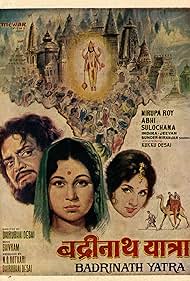


Discription
"Badrinath Yatra" (1967) weaves a tapestry of human devotion and spiritual awakening against the majestic backdrop of the Himalayas. The film eschews a traditional protagonist in favor of a collective narrative, focusing on the diverse individuals undertaking the arduous pilgrimage to the holy shrine of Badrinath. Each character embodies a different facet of faith, struggle, and the human desire for redemption.
The film opens with sweeping vistas of the Himalayan range, establishing the grandeur and challenge of the journey. We are introduced to the core group of pilgrims, each embarking on this spiritual odyssey for their own deeply personal reasons.
Ramlal and Sita, played by Abhi Bhattacharya and Nirupa Roy respectively, are an elderly couple whose lifelong dream is to visit Badrinath. Their devotion is unwavering, but their frail bodies struggle with the demanding terrain. They embody the enduring power of faith, a beacon of unwavering belief against the physical limitations of age. Their journey is a testament to the perseverance of the human spirit when fueled by deep spiritual conviction.
Ganga, portrayed by Indira, is a young widow grappling with the profound grief of losing her husband. She seeks solace and healing in the sacred atmosphere of Badrinath, hoping to find peace amidst her sorrow. Her journey is one of emotional catharsis, a gradual shedding of grief through the shared experience of the pilgrimage.
Prakash, played by Raaj Kumar, is a cynical city dweller who accompanies his devout mother on the yatra. He initially dismisses the pilgrimage as mere superstition, his modern sensibilities clashing with the traditional fervor surrounding him. His journey is one of transformation, a gradual awakening to the power of faith and the humbling beauty of the Himalayas.
Shankar, portrayed by Jeevan, is a man burdened by the weight of his past sins. He undertakes the yatra as an act of penance, seeking forgiveness and redemption in the holy waters of the Alaknanda River. His journey is a painful yet necessary process of self-reflection and atonement, a quest to cleanse his soul and find inner peace.
Fauzia plays a smaller role, but one of a devout pilgrim, that also faces the hardships of the journey.
Throughout the film, Swami Anand, a wandering sadhu, acts as a spiritual guide and observer. He embodies the essence of devotion, offering wisdom and guidance to the pilgrims, and serving as a reminder of the true purpose of the yatra. He represents the ideal of selfless service and unwavering faith.
The film meticulously depicts the various stages of the pilgrimage, highlighting the physical and emotional challenges faced by the yatris. They traverse treacherous mountain paths, endure harsh weather conditions, and face the constant threat of natural hazards. These obstacles serve as metaphors for the trials and tribulations of life, testing the pilgrims' resolve and deepening their faith.
The elderly couple, Ramlal and Sita, struggle with their physical limitations, but their unwavering devotion sustains them. They rely on the kindness and support of fellow pilgrims, demonstrating the importance of compassion and empathy. Their journey is a poignant reminder of the enduring power of love and faith in the face of adversity.
Ganga, the young widow, gradually finds solace in the serene beauty of the Himalayas and the spiritual atmosphere of the pilgrimage. She witnesses acts of selfless devotion and experiences moments of profound peace, allowing her to begin the process of healing. The shared grief and shared faith of the pilgrims create a powerful sense of community, helping her to navigate her own sorrow.
Prakash, the skeptical city dweller, initially remains detached from the spiritual fervor surrounding him. However, as he witnesses the unwavering faith of the other pilgrims and the transformative power of the yatra, he begins to question his own skepticism. He experiences moments of awe and wonder, gradually opening his heart to the possibility of divine intervention. His journey is a testament to the power of experience to challenge preconceived notions.
Shankar, the penitent sinner, undergoes a profound spiritual transformation. He confesses his sins and seeks forgiveness, finding solace in the rituals and prayers of the pilgrimage. He immerses himself in the holy waters of the Alaknanda River, symbolizing the cleansing of his soul. His journey is a powerful reminder of the possibility of redemption and the transformative power of faith.
Swami Anand, the devoted sadhu, guides and inspires the pilgrims with his wisdom and compassion. He emphasizes the importance of inner purity and selfless devotion, reminding them that the true pilgrimage is a journey of the soul. He embodies the ideal of a life dedicated to spiritual pursuits.
The climax of the film occurs as the pilgrims finally reach the holy shrine of Badrinath. The majestic temple, nestled amidst the snow-capped peaks, fills them with a sense of awe and reverence. They offer their prayers and seek the blessings of Lord Vishnu, experiencing a profound sense of spiritual fulfillment.
The film concludes with the pilgrims embarking on their return journey, transformed by their experiences. They carry with them the blessings of Badrinath and the memories of their shared journey, having gained a deeper understanding of faith, devotion, and the human spirit. Prakash, the skeptic, has become a believer. Ganga has found peace, and Shankar has found redemption. Ramlal and Sita have fulfilled a life long dream. The movie is a testament to the power of faith to transform lives and bring solace to the human soul.