

Discription
Part 1: The Rickshawala's Resolve
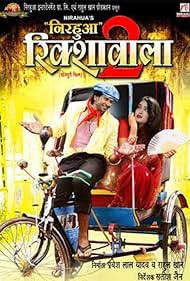
The film opens with a vibrant depiction of rural life in Bihar, showcasing the bustling marketplaces, the close-knit communities, and the colorful festivals. We are reintroduced to Nirahua (played by Dinesh Lal Yadav), the titular rickshawala, a kind-hearted and honest man who is deeply loved and respected in his village. He is known for his unwavering integrity and his willingness to help anyone in need.
Nirahua's life takes a dramatic turn when he witnesses a corrupt local politician, or perhaps a powerful businessman, engaging in illegal activities. This could involve land grabbing, smuggling, or exploiting the villagers for personal gain. Nirahua, unable to stand by and watch injustice prevail, decides to take a stand against this powerful figure.
His decision to challenge the corrupt individual puts him and his loved ones in grave danger. The antagonist, used to getting his way, uses his influence and resources to harass Nirahua and his family. They might face threats, false accusations, or even physical violence. Nirahua's rickshaw, his primary source of livelihood, could be vandalized or confiscated.
Despite the mounting pressure, Nirahua remains steadfast in his resolve. He believes in truth and justice, and he is determined to fight for what is right, not just for himself but for his entire community. His courage inspires others to join his cause, and he starts gaining support from the villagers who are tired of the antagonist's misdeeds.
Part 2: Love and Sacrifice
Amidst this struggle against corruption, a romantic subplot unfolds. Nirahua might be involved in a love triangle, perhaps torn between two women with contrasting personalities and backgrounds. One could be a simple village girl, while the other might be a more modern and educated woman. This romantic angle adds emotional depth to the story and provides moments of respite from the intense conflict.
The love interest(s) could also play a crucial role in Nirahua's fight against the antagonist. They might offer him emotional support, gather evidence against the corrupt individual, or even put themselves at risk to protect Nirahua. This showcases their strength and independence, going beyond the typical damsel-in-distress trope.
The film might also explore the theme of sacrifice. Nirahua, in his fight for justice, might have to make difficult choices that require him to sacrifice his personal happiness or even put his life on the line. This highlights his selflessness and his commitment to the greater good.
Part 3: Triumph of Good over Evil
The climax of the film involves a dramatic confrontation between Nirahua and the antagonist. This could be a legal battle, a physical showdown, or a combination of both. Nirahua, with the support of his community and his loved ones, uses his wit, courage, and unwavering determination to expose the antagonist's crimes and bring him to justice.
The climax is likely to feature intense action sequences, showcasing Nirahua's bravery and his ability to overcome adversity. It could also involve emotional moments where Nirahua's loved ones are threatened, further fueling his resolve to defeat the antagonist.
In the end, good triumphs over evil. The corrupt individual is brought to justice, and Nirahua is hailed as a hero. The film concludes with a message of hope and empowerment, emphasizing the importance of standing up for what is right, even in the face of overwhelming odds. It celebrates the spirit of the common man and their ability to bring about positive change in society.
Additional Elements:
- Music and Dance: Bhojpuri films are known for their vibrant music and dance sequences. "Nirahua Rikshawala 2" would likely feature several catchy songs and energetic dance performances, adding entertainment value to the narrative.
- Comedy: The film could incorporate comedic elements through supporting characters or humorous situations, providing comic relief amidst the serious themes.
- Social Commentary: The film might subtly address social issues prevalent in the region, such as poverty, corruption, or discrimination, adding a layer of social relevance to the story.