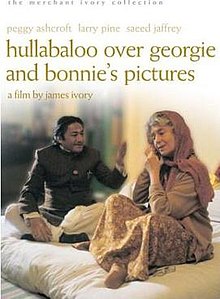



Discription
"Hullabaloo Over Georgie and Bonnie's Pictures" is a short story written by British author Muriel Spark. First published in 1967 as part of the collection "The Public Image," the story delves into themes of celebrity, the media, and the consequences of public exposure.
The narrative revolves around Georgie and Bonnie, a married couple who lead seemingly ordinary lives. Georgie is a talented artist, and Bonnie is his wife. One day, Georgie decides to paint a portrait of Bonnie, naked. The painting, while intended as a personal and private expression of their relationship, becomes the center of a public scandal when it is accidentally exposed to the public.
The story unfolds through a series of letters, diary entries, and newspaper articles, offering different perspectives on the events that transpire. The central character is Mrs. Harriet Pollitt, a self-righteous and judgmental woman who serves as the chairwoman of the local art committee.
The hullabaloo begins when the couple's maid, Mrs. Pettigrew, discovers the nude portrait while cleaning Georgie's studio. Shocked and scandalized, Mrs. Pettigrew informs Mrs. Pollitt, who takes it upon herself to address what she perceives as a moral outrage.
Mrs. Pollitt believes that the painting is not just a private matter but a threat to the moral fabric of society. She mobilizes the local community and the press to condemn the couple's actions. As the news spreads, Georgie and Bonnie find themselves thrust into the unwanted spotlight of public scrutiny.
Georgie, an artist known for his unconventional work, is unapologetic about the painting. He sees it as a genuine expression of his art and love for Bonnie. However, the public, led by Mrs. Pollitt's moral crusade, condemns them for deviating from societal norms.
The narrative exposes the hypocrisy and self-righteousness of the characters involved. Mrs. Pollitt, who presents herself as a moral guardian, is revealed to have a scandalous past of her own. The media frenzy surrounding Georgie and Bonnie's pictures becomes a commentary on society's tendency to sensationalize and judge the personal lives of individuals.
As the story progresses, the public's fascination with the scandal begins to wane, and the couple is left to deal with the aftermath. Georgie's artistic career takes a hit, and the couple faces social ostracism. Bonnie, once a source of inspiration for Georgie, struggles with the consequences of their public exposure.
The narrative style, with its use of letters and newspaper clippings, adds layers to the storytelling. It allows the reader to see the events from multiple perspectives, revealing the biases and motivations of the characters involved. The title itself, "Hullabaloo Over Georgie and Bonnie's Pictures," encapsulates the chaotic and exaggerated reaction to what was initially a private and personal matter.
In the end, the story serves as a critique of societal norms, the invasion of privacy, and the moral judgments imposed by self-appointed guardians of morality. Spark explores the fine line between private expression and public scrutiny, highlighting the impact of societal expectations on individual freedom.
"Hullabaloo Over Georgie and Bonnie's Pictures" remains a thought-provoking exploration of the consequences of personal choices in the face of societal judgment. Through its satirical lens, the story invites readers to reflect on the nature of morality, the media's role in shaping public opinion, and the complexities of navigating personal expression in a judgmental world.