


Discription
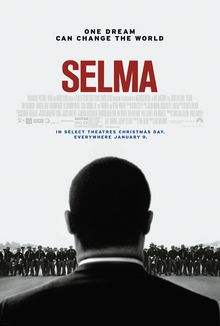
"Selma" is a powerful historical drama directed by Ava DuVernay, released in 2014. The film chronicles a crucial chapter in the Civil Rights Movement led by Dr. Martin Luther King Jr. The narrative primarily focuses on the iconic Selma to Montgomery voting rights marches of 1965, which played a pivotal role in the eventual passage of the Voting Rights Act. Through compelling storytelling and a stellar cast, "Selma" sheds light on the struggle for racial equality and justice during a tumultuous period in American history.
The film opens with Dr. Martin Luther King Jr., portrayed by David Oyelowo, receiving the Nobel Peace Prize in 1964. Despite this momentous achievement, King is aware that there is much work to be done on the home front, particularly in the Southern United States, where African Americans are systematically denied their voting rights.
The heart of the narrative is set in Selma, Alabama, where the local African American population faces rampant voter suppression. The film depicts the brutal and unjust obstacles placed in the way of Black citizens attempting to register to vote. It is against this backdrop that King, along with his close associates, begins organizing a series of nonviolent protests and marches to bring national attention to the cause.
David Oyelowo's portrayal of Martin Luther King Jr. is a tour de force, capturing not only King's eloquence and charisma but also his internal struggles and moments of vulnerability. The film offers a nuanced portrayal of King as a leader grappling with the weight of expectations, personal sacrifices, and the toll the movement takes on his family life.
One of the film's strengths lies in its exploration of the complexities within the Civil Rights Movement. While united in the pursuit of justice, there are internal divisions and differing philosophies among leaders. The character of Malcolm X, played by Nigel Thatch, represents the more militant approach, contrasting with King's commitment to nonviolent resistance. These ideological differences add depth to the narrative, illustrating the multifaceted nature of the movement.
The film also delves into the strained relationship between King and President Lyndon B. Johnson, played by Tom Wilkinson. While Johnson is sympathetic to the cause, he is initially hesitant to prioritize voting rights legislation over other pressing issues. The political intricacies and negotiations between King and the President offer a window into the challenges faced by activists working within the system to effect change.
Central to the film's narrative are the marches from Selma to Montgomery. The first attempt, known as "Bloody Sunday," results in a brutal police crackdown on peaceful protesters on the Edmund Pettus Bridge. The visceral and harrowing depiction of this violent event emphasizes the high stakes of the movement and the sacrifices made by those fighting for justice.
The film also highlights the grassroots efforts of local activists, including John Lewis, portrayed by Stephan James, and Amelia Boynton, played by Lorraine Toussaint. Their courage and resilience underscore the collective struggle for equality, emphasizing that the movement was not solely driven by national figures but by ordinary people who were determined to make a difference.
"Selma" provides an intimate portrayal of the personal toll the movement took on its leaders. From death threats to the constant pressure of being the face of a revolution, King's emotional journey is a central thread in the narrative. The film explores his moments of doubt, the strain on his marriage with Coretta Scott King, played by Carmen Ejogo, and the internal conflicts within the movement.
The depiction of the Selma marches is a visual and emotional centerpiece of the film. The meticulous attention to detail, combined with the stirring musical score by Jason Moran, creates a sense of urgency and solidarity. The film effectively captures the spirit of resistance and the unyielding determination of those who marched for their right to vote.
The culmination of the marches is the successful completion of the Selma to Montgomery march, with federal protection ensuring the safety of the protesters. The film acknowledges the victories achieved while also recognizing the ongoing struggle for justice and equality.
In conclusion, "Selma" is a masterfully crafted historical drama that not only recounts a pivotal moment in the Civil Rights Movement but also resonates with contemporary issues of racial injustice and inequality. The film's powerful performances, especially David Oyelowo's portrayal of Martin Luther King Jr., its exploration of the complexities within the movement, and its unflinching depiction of the sacrifices made by those fighting for justice contribute to its enduring impact. "Selma" stands as a testament to the resilience of individuals and communities in the face of systemic oppression and a reminder that the fight for civil rights is an ongoing journey.