


Discription
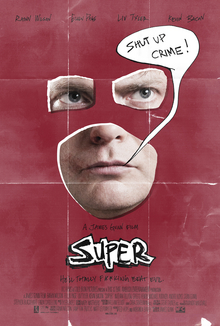
Frank Darbo, a short-order cook with calloused hands and a perpetually greasy apron, lived a life devoid of grandeur. His small apartment, adorned with peeling paint and the faint aroma of burnt grease, offered little solace. Two cherished possessions, however, adorned his otherwise barren walls: a crudely drawn crayon sketch of his wedding day, a grinning Sarah beside him, and another depicting the day he apprehended a purse snatcher, his moment of unexpected heroism.
These two memories, like flickering embers in the ashes of his life, provided a fragile warmth in the face of crushing disappointment. Sarah, his wife, had fallen prey to the allure of drugs, her descent into addiction mirroring the slow, agonizing decline of his own hopes and dreams. Jacques, the charismatic owner of a sleazy strip club, had ensnared her, dragging her back into the abyss of addiction.
Devastated and adrift, Frank sank into a deep depression. Then, a vision, a blinding flash of light, shattered his despair. He saw a hand, large and powerful, reaching out to him. A voice, booming and authoritative, declared, "You have been chosen."
Standing before him was the Holy Avenger, a larger-than-life figure from his childhood, a Christian superhero from a long-forgotten television show. The Holy Avenger, clad in a shimmering white costume, spoke of divine purpose, of a higher calling. Frank, desperate for a sense of meaning, clung to this vision, convinced that God had chosen him for something extraordinary.
Inspired by his divine encounter, Frank embarked on a mission to become a real-life superhero. He visited a local comic book store, seeking guidance from the enthusiastic store clerk, Libby. To his surprise, his musings about creating a superhero persona were met with genuine interest.
Thus, "The Crimson Bolt" was born. Armed with a trusty pipe wrench and a heart full of righteous indignation, Frank began his crusade against evil. He targeted petty criminals, delivering swift and brutal justice to drug dealers, child molesters, and even the man who had the audacity to cut in line at the movie theater.
Initially, the media painted him as a violent vigilante, a dangerous menace to society. But as the criminal records of his targets surfaced, public opinion began to shift. The Crimson Bolt, once vilified, became a folk hero, a symbol of vigilante justice in a city plagued by crime.
Driven by a desperate need to save Sarah, Frank ventured into Jacques's territory, a sprawling ranch guarded by a legion of thugs. His initial assault was successful, but he was soon overwhelmed, a bullet shattering his leg.
He sought refuge with Libby, who, inspired by the Crimson Bolt, had crafted a costume of her own, christening herself "Boltie." She aided Frank's recovery, her initial admiration for the Crimson Bolt blossoming into a dangerous obsession.
Libby, however, proved to be a more volatile partner than Frank had anticipated. Her vigilantism quickly spiraled out of control, culminating in a near-fatal encounter with a man who had allegedly vandalized her friend's car.
Frank, realizing the danger of Libby's actions, attempted to distance himself from her. But Libby, consumed by a twisted sense of duty and a burgeoning infatuation with the Crimson Bolt, refused to be dissuaded.
One night, while patrolling the city, Libby, fueled by a potent cocktail of adrenaline and desire, crossed a line. She assaulted Frank, claiming she was acting under the influence of sexsomnia.
The incident left Frank deeply shaken. He sought refuge in the bathroom, the image of Sarah haunting him. As he vomited, he saw a vision of Sarah, her face etched with pain and regret, staring back at him.
Determined to save her, Frank returned to Jacques's ranch, this time armed with guns, pipe bombs, and a renewed sense of purpose. The ensuing gun battle was a bloody affair. Frank, fueled by rage and desperation, fought with a ferocity that surprised even himself. He killed Jacques, but not before sustaining a gunshot wound to the chest.
Inside the ranch, he found Sarah, her eyes wide with terror. She had witnessed the bloodshed, the carnage he had inflicted.
He brought her home, and she stayed with him for a few months, a strange and uneasy truce settling between them. She stayed, he believed, out of a sense of obligation, a debt she owed him for saving her life.
One day, Frank returned home to an empty apartment. Sarah was gone. He learned that she had finally overcome her addiction, found a job, and married a kind, supportive man named Patrick. They had four children, beautiful and boisterous, a testament to her newfound strength and resilience.
Frank, sitting alone in his apartment, looked at the walls. The crayon drawings of his wedding day and his heroic deed now shared space with photographs of Sarah's children. He called them "his little miracles," a testament to the good that could emerge from even the darkest of circumstances.
He looked at Libby's picture, a bittersweet smile playing on his lips. He had learned a painful lesson: that even in the pursuit of justice, one could lose sight of their humanity.
As he gazed at the photographs, a single tear rolled down his cheek. He was no longer the Crimson Bolt, the vigilante who fought for justice. He was simply Frank, a man who had learned to find solace in the quiet moments, in the echoes of a love lost and the fragile hope of redemption.